✨ Wholesale and Bulk Purchase of Disposable Vapes
✨ We accept orders from individuals and businesses
🔥 Ship to Austria, Sweden, Poland
🔥 Ship to Germany, France, Italy, Spain
🔥 Ship to Netherlands, Belgium, Denmark
🔥 Ship to Portugal, Hungary, Romania
✅ Safe delivery to all European countries
✨ Wholesale and Bulk Purchase of Disposable Vapes
✨ We accept orders from individuals and businesses
🔥 Ship to Austria, Sweden, Poland
🔥 Ship to Germany, France, Italy, Spain
🔥 Ship to Netherlands, Belgium, Denmark
🔥 Ship to Portugal, Hungary, Romania
✅ Safe delivery to all European countries
📢 Important Notice: We sell vape hardware only — nicotine is not included or sold on our site. Products are intended for legal use only.
🚀Wholesale and Bulk Purchase of Disposable Vapes | ✨✨✨We accept orders from individuals and businesses | 🔥Ship to Austria, Sweden, Poland | 🔥Ship to Germany, France, Italy, Spain | 🔥Ship to Netherlands, Belgium, Denmark | 🔥Ship to Portugal, Hungary, Romania | ✅We promise safe delivery to all European countries
🚀Wholesale and Bulk Purchase of Disposable Vapes | ✨✨✨We accept orders from individuals and businesses | 🔥Ship to Austria, Sweden, Poland | 🔥Ship to Germany, France, Italy, Spain | 🔥Ship to Netherlands, Belgium, Denmark | 🔥Ship to Portugal, Hungary, Romania | ✅We promise safe delivery to all European countries
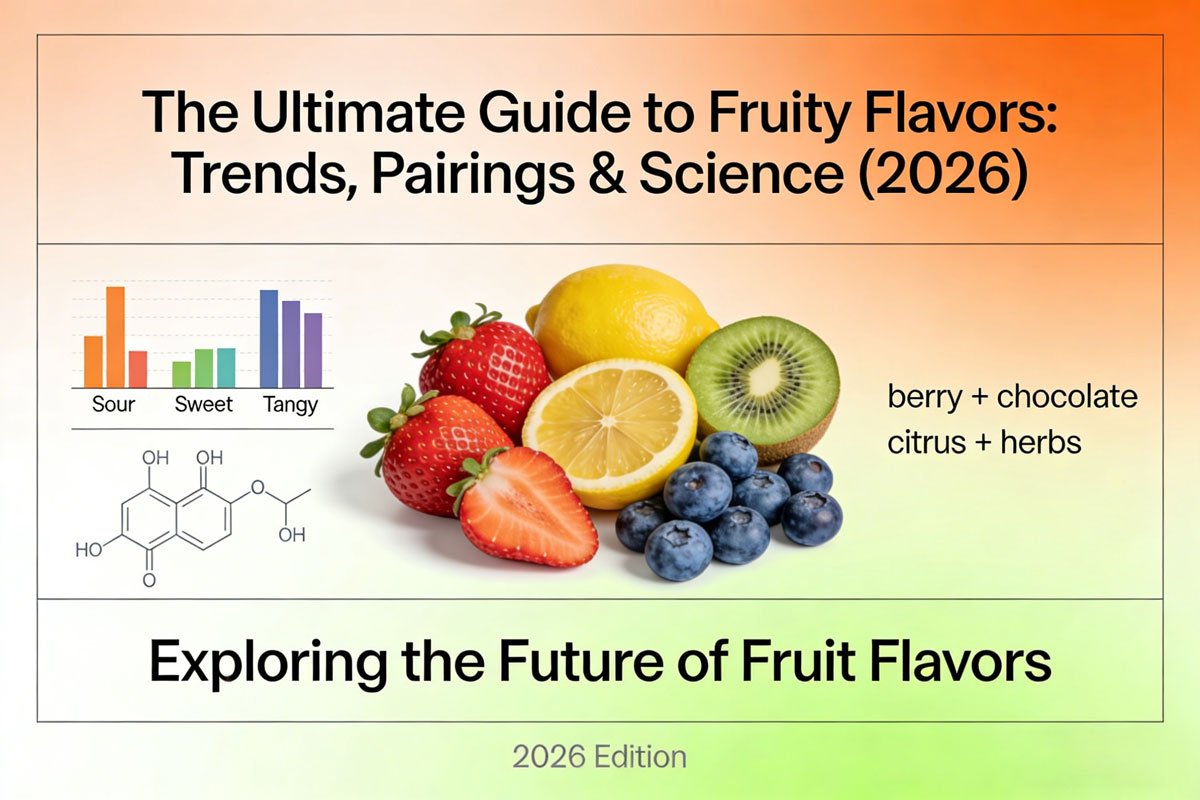
The world of fruity flavors is evolving rapidly as of 2026. Culinary enthusiasts and food manufacturers constantly seek fresh, vibrant profiles to elevate their creations. Finding the right balance between sweetness, tartness, and aromatic depth is a common challenge. However, mastering these flavor profiles unlocks endless creative possibilities.
Poor flavor selection often leads to muted tastes or synthetic aftertastes. This guide explores the science and trends behind the best fruity flavors today. Readers will learn how to select, pair, and apply these extracts effectively. Ultimately, this knowledge helps creators produce memorable sensory experiences.
What Are Fruity Flavors? Understanding the Science
Flavor science defines fruity flavors as complex chemical structures that mimic the taste and aroma of fruits. These profiles rely heavily on a balanced sensory experience. Esters, aldehydes, and ketones create the distinct notes found in apples, berries, and citrus.
“A flavor profile is the complete sensory impression of a food or beverage, determined by the chemical senses of taste and smell.”
Understanding these compounds helps creators choose the right ingredients. For premium flavor concentrates, smovape.com offers a vast selection tailored for professionals and hobbyists alike.
Natural Extraction vs. Artificial Synthesis
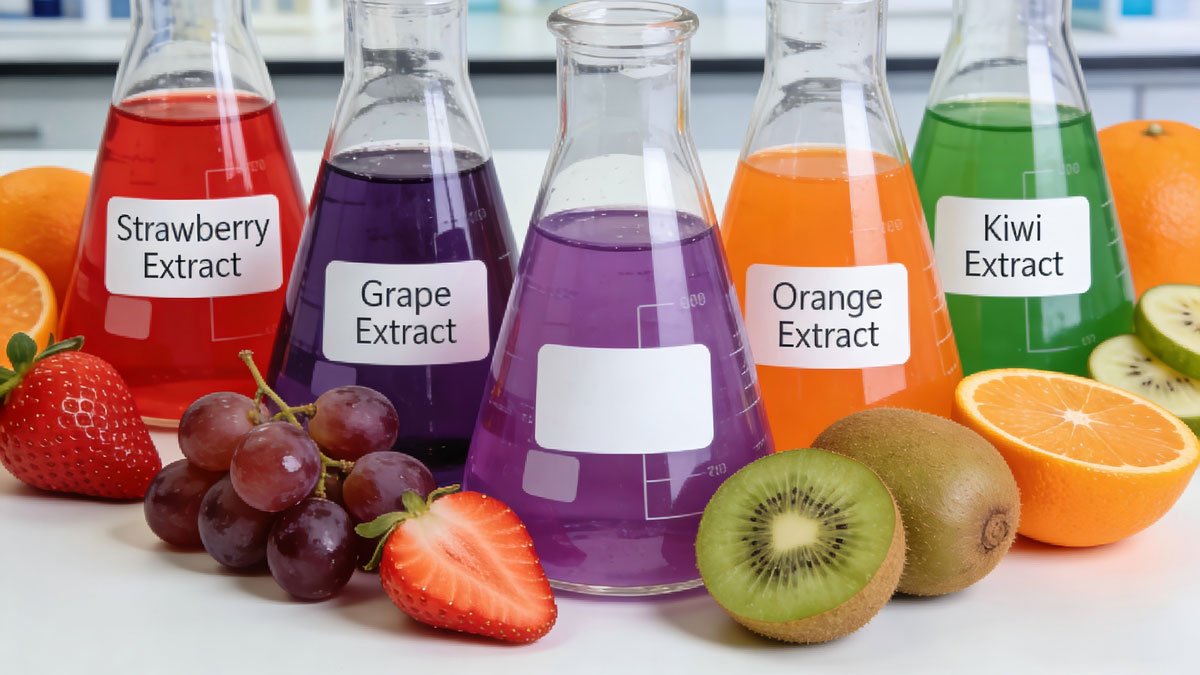
The debate between natural flavor extraction and artificial flavor synthesis continues in 2026. Natural extracts come directly from the source material. Artificial flavors use synthesized chemicals to replicate natural taste profiles.
Comparison of Natural vs. Artificial Flavors
Feature
Natural Extraction
Artificial Synthesis
Source
Real fruits and botanicals
Laboratory synthesized chemicals
Flavor Intensity
Complex and authentic
Highly concentrated and bold
Cost
Generally higher
More economical
2026 Industry Trends: Exotic Fruits and Health-Conscious Choices
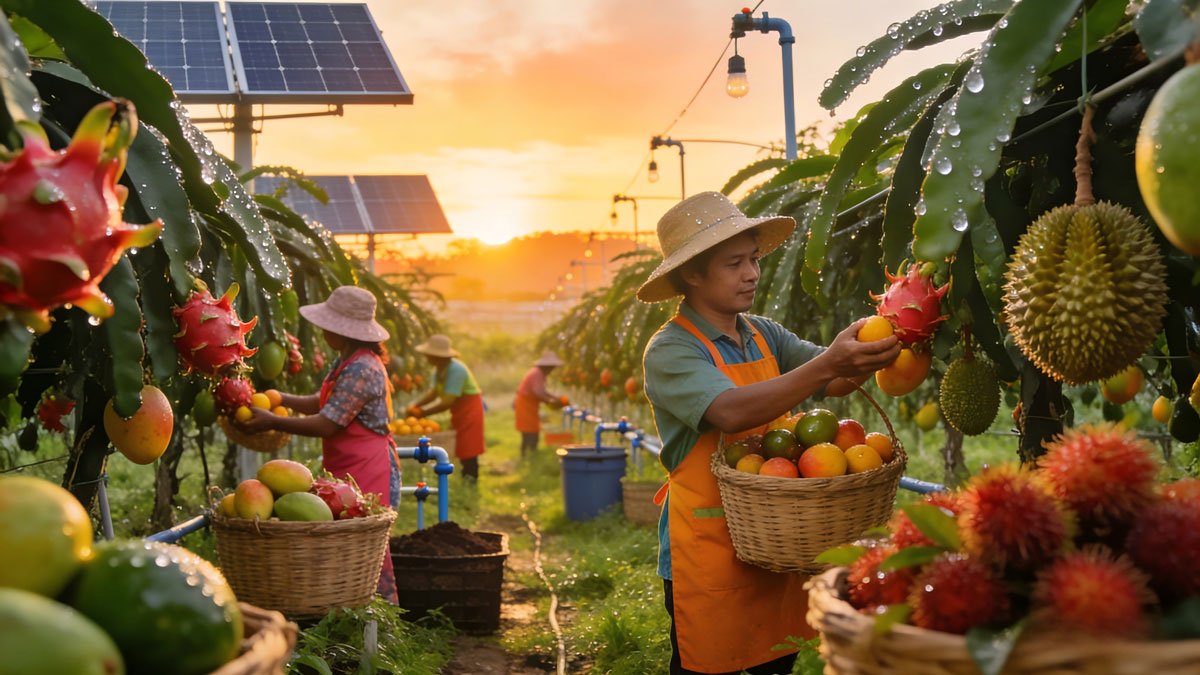
Industry trends in 2026 highlight a massive shift toward exotic fruit flavors. Consumers crave unique tastes like yuzu, dragonfruit, and calamansi. These bold profiles offer a fresh departure from traditional apple and strawberry.
Simultaneously, health-conscious flavorings are rising in popularity. Food manufacturers now prioritize clean-label ingredients without artificial dyes or excessive sweeteners. According to the Institute of Food Technologists, clean-label demands shape modern product development.
Culinary Applications: Bringing Fruity Flavors to Life
Food manufacturers and chefs use fruity flavors across countless mediums. Each application requires a specific approach to flavor usage. Heat, acidity, and fat content all alter how a flavor performs.
Baking and Desserts
Bakers face the challenge of flavor loss during high-heat baking. Sweet flavors like peach or raspberry often evaporate in the oven. To combat this, experts recommend using heat-stable emulsions or adding extracts after baking.
Beverages, Cocktails, and Mixology
Mixologists rely on drink flavorings to build complex cocktail profiles. Balancing sweet fruit notes with tart citrus creates a refreshing beverage. Liquid concentrates blend seamlessly into cold syrups and spirits.
Candy, Confectionery, and Vape Juice Trends
Candy and confectionery require high-intensity flavors. Hard candies need bold fruit extracts to cut through heavy sugar bases. Similarly, vape juice flavor trends favor potent, layered fruit profiles. Vapers consistently seek out tropical blends and icy fruit combinations.
The Art of Flavor Pairing (Interactive Guide)
Mixing flavors correctly is an art form. Pairing complementary fruits enhances the overall taste experience. For example, sweet mango pairs beautifully with tart passionfruit.
Using interactive flavor pairing tools takes the guesswork out of recipe creation. Creators can map out flavor wheels to identify matching compounds. Explore the smovape.com blog for detailed pairing charts and expert mixology tips.
Flavor Usage Calculator & Customer Recipes
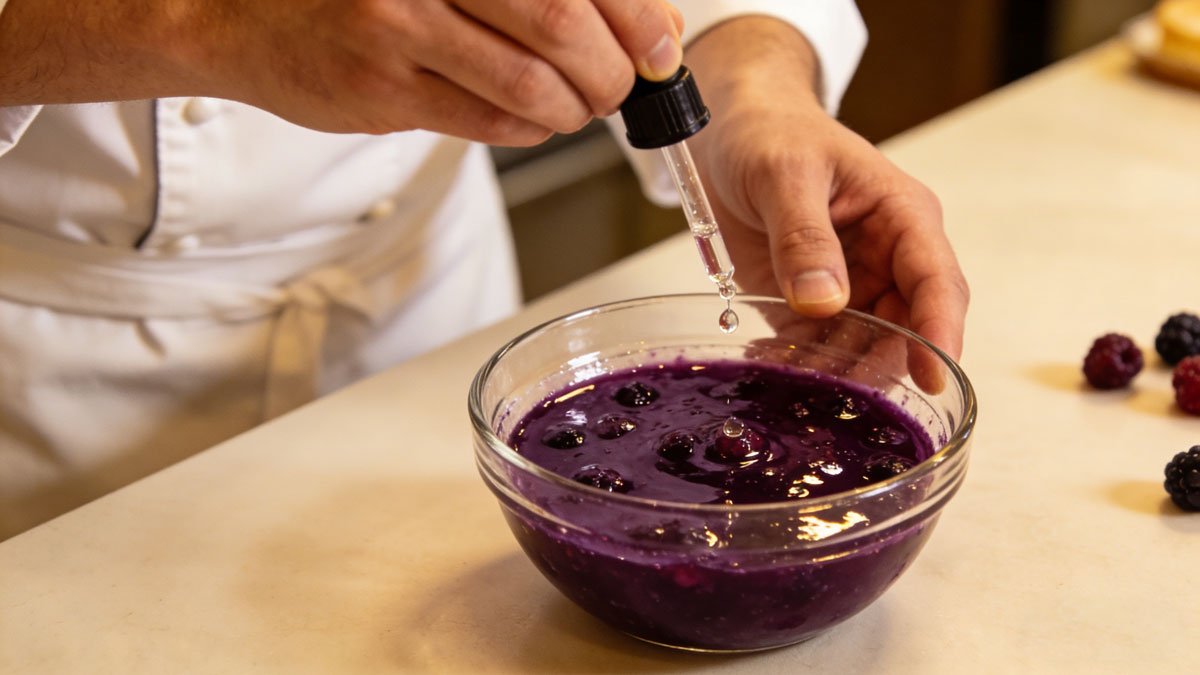
Over-flavoring ruins recipes quickly. Flavor usage calculators help creators determine exact drop counts or percentages. Precision ensures consistency across batches, whether making sodas or e-liquids.
User-generated content provides excellent inspiration. Customer recipes often reveal innovative ways to use standard extracts. Reviewing successful community blends builds confidence for beginners.
Sourcing and Sustainability
Sourcing and sustainability represent crucial factors in 2026. Consumers demand transparency regarding where ingredients originate. Sustainable flavors protect agricultural ecosystems and ensure fair trade practices.
Brands focusing on ethical natural extraction methods gain immense customer loyalty. Organizations like the Food and Agriculture Organization advocate for responsible sourcing globally.
Frequently Asked Questions (FAQs)
What is the typical shelf-life of fruit flavor extracts?
Most high-quality fruit flavor extracts have a shelf-life of 12 to 24 months when stored in a cool, dark place away from direct sunlight.
Do natural fruit flavors contain allergens?
Some natural extracts may contain allergens depending on the source fruit or carrier liquids used. Always check the manufacturer’s specification sheet for allergen declarations.
How can businesses start requesting samples?
Businesses can explore wholesale options and request sample packs directly through wholesale providers. Visit smovape.com/services to learn more about bulk ordering.
Ready to Elevate Your Flavor Profiles?
Stop settling for muted, synthetic tastes. Discover premium fruit concentrates that bring authentic, vibrant notes to your culinary and vaping creations.